
I am an artist. The track is my canvas and my car is my brush.
Graham Hill (also known as “The Gentleman Racer” or “Mr.Monaco”) on Formula One
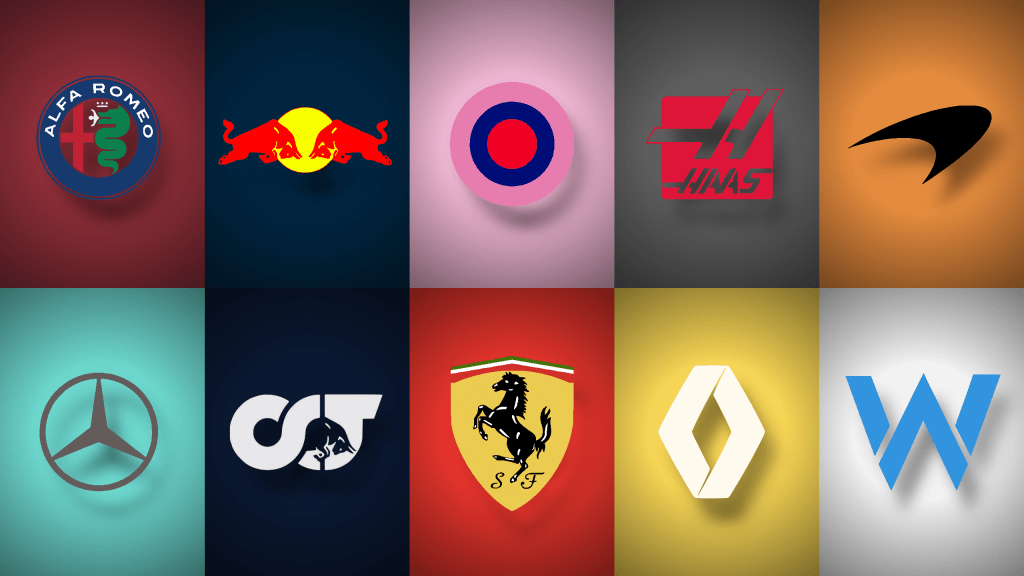
- The image above was made by Reddit user pablogalfer
If you’re like me, you have no idea what F1 means to so many people around the world. Over the past couple of years, F1 has gained a lot of traction with people around the world for several reasons, one of them being the competition. It was reported that F1 saw a 58% increase in viewership in 2021, which includes a 34% increase among women according to The Athletic. Many people point towards the Netflix series Drive to Survive for the increased coverage of F1 from 2020-2023. The show was released in 2019, and detailed behind the scenes looks of Formula One Drivers and their road to the Formula One World Championship. This show, combined with the amount of money being put into F1 almost guaranteed the increase in viewership.
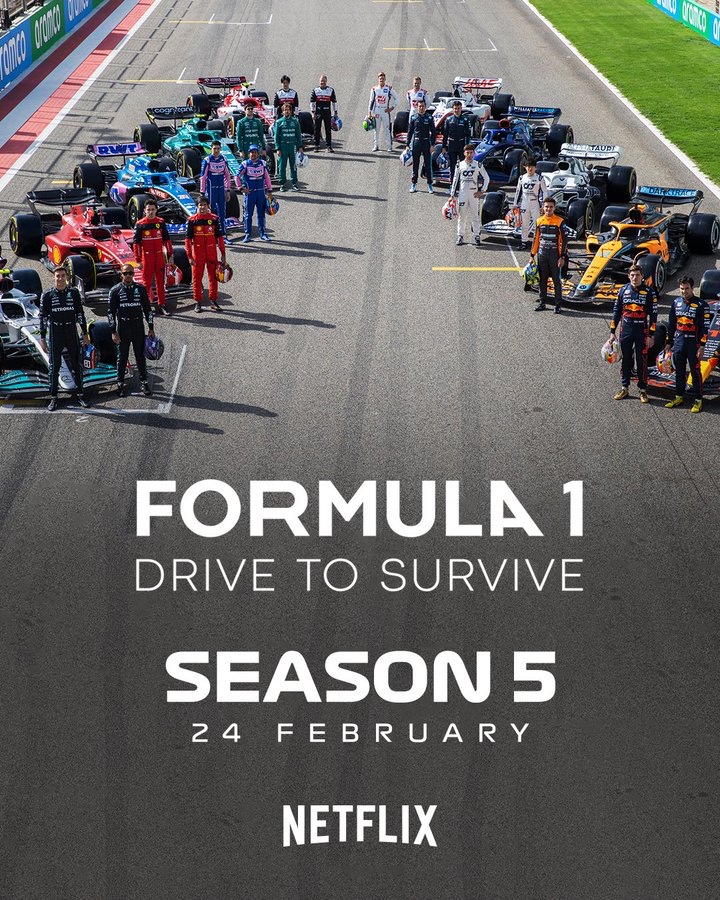
With the next Grand Prix in Bahrain, taking place on March 5th now is a perfect time to get acquainted with the formalities of Formula One Racing. It is important to note that you may not understand everything about F1, but this article should clear up some doubts regarding your status as a fan (if you are on the fence), and could potentially cement your status as a follower of one of the most exciting sports in the world.
Textbook F1: What you need to know
The brief history of F1
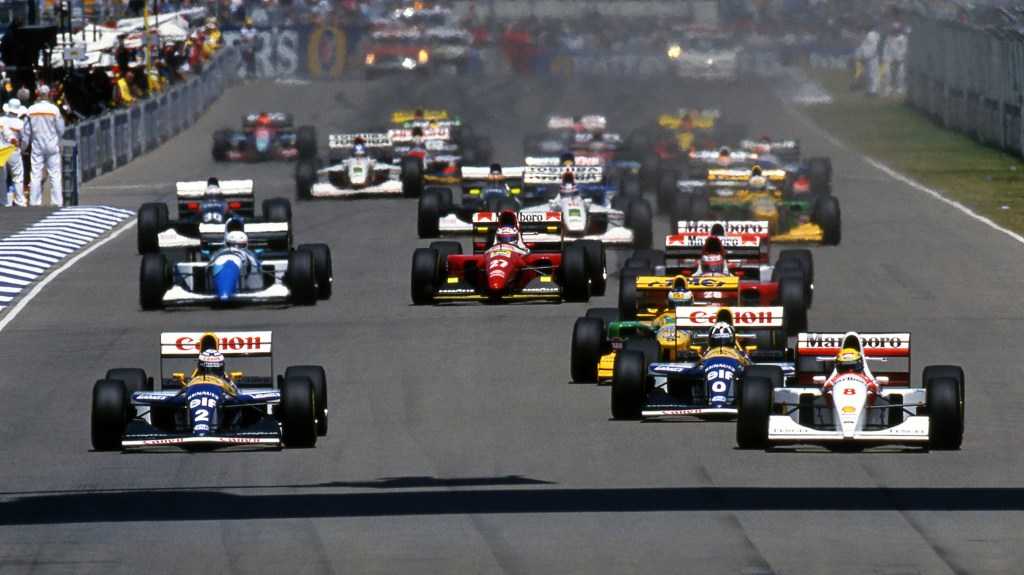
Formula one racing was created in 1946, and it was descended from motor racing which was created in the early 20th century. The first driver’s world championship was created by F1 in 1950, which was the first title race in F1 history. Since then, Formula One has grown into an international phenomenon, being recognized as one of the true pioneers of competitive racing.
The Track
Usually, F1 races are driven on circuits made of asphalt that range from 4.3-5.9 km lengthwise, with many twists and turns depending on the terrain of the track, and the environment surrounding it. Many countries that have an agreement with F1 (Argentina, Brazil, Italy, etc.) usually build unique tracks based on F1 regulations and the terrain the builders work with, resulting in the variety of tracks used across different races. These Grand Prix races serve as a qualifier throughout the season (around 22 Grand Prix total), which is used at the driver’s championship at the end of the season. drivers usually study the terrain before the race starts, to ensure that race day starts as smoothly as possible, as the cars cross the starting line into unknown circuitry.
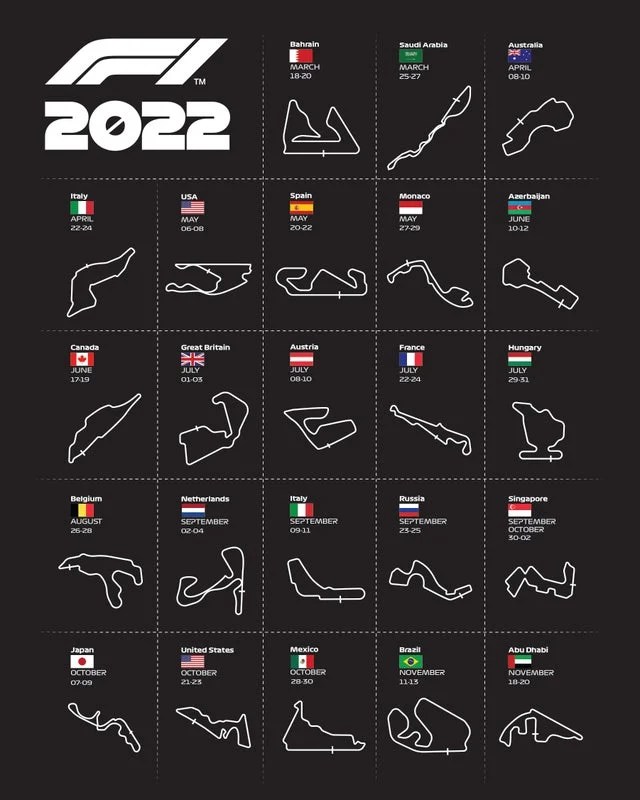
- The image above was taken from SportsMonks (shows tracks used in F1 2022 season)
Car chassis and Build
Regarding cars, F1 enforces its vision of how cars should be built, maintained, and constructed in compliance with sanctioned testing. The cars are meant to be aerodynamic so that the air can be directed to the rear of the car, ensuring quicker acceleration based on the downward force according to Physics. A typical F1 car is about 1,760 pounds or 798 kg, which is just under a ton, so you better believe that the engineers behind these high-speed vehicles test these cars rigorously until they find a car that suits and protects the driver controlling it.
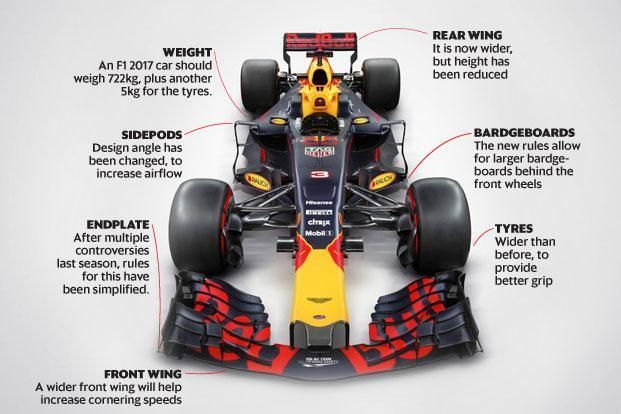
- The image above was taken from SportsKeeda
The Teams
In a regular race, there are about 20 drivers which consist of 2 cars per team for 10 teams total. In 2023, the 10 brands that participate in F1 racing are as follows:
- Mercedes
- Alpine
- Haas F1 team
- McLaren
- Red Bull Racing
- Aston Martin
- AlphaTauri
- Ferrari
- Alfa Romeo
- Williams
These teams have been the backbone of F1 for almost 100 years, with Ferrari holding the most titles during that timeframe. However, drivers like Lewis Hamilton for Mercedes and Max Verstappen for Red Bull seem to be breaking that mold, potentially starting the decline of Ferrari in the near future. However, it seems like Mercedes vs Red Bull are the leading contenders for right now.
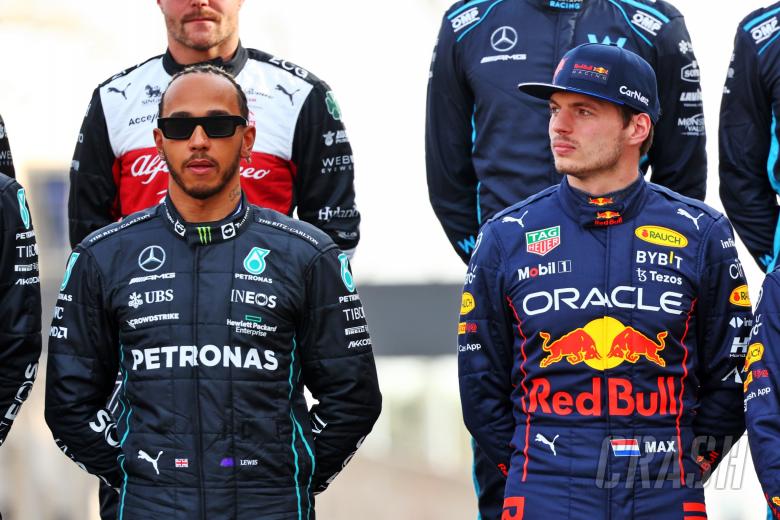
- The image above was taken from Crash.net (Lewis Hamilton left, Max Verstappen right)
That was a lot of information. However, this should give you an idea about the landscape of F1 racing. So, now that you know a bit about the background, let’s explain the rules of the track.
The Fineprint: The Rules of F1 on Raceday
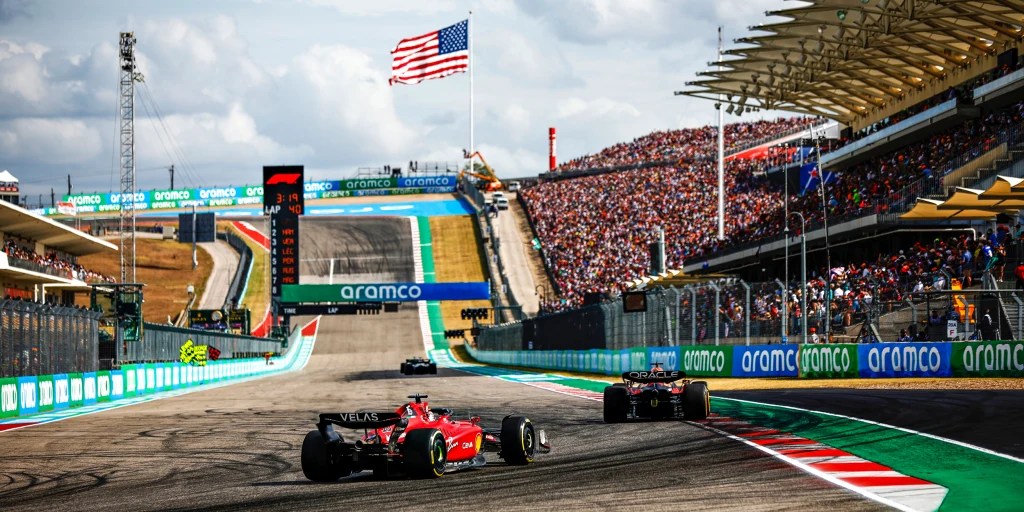
- The image above was taken from NBC news
Usually, after a couple of practice and qualifying sessions to meet F1 regulations, it is time for the race. On race day, drivers line up and take their positions. They know that they are going to be locked into that driver’s seat for the next two-three hours, with the occasional breaks and maintenance pitstops (around 5-30 seconds), which is where the driver can pull over during the race in order to receive maintenance and inspection checks on their car by the team.
The scoring of F1 is based on the position they finish in once the race ends. Based on their position, each driver will receive a number of points with 1st place gaining 25 points, 2nd place receiving 18 points, 3rd place receiving 15 points, and so on. These points are used to determine a winner over the course of the season for the championship as we mentioned earlier in the article.
There are several fouls in F1 that could lead to a team’s derailment during the competition. Some examples of these fouls are as follows:
- False start (driver starts too early)
- unfairly blocking a driver
- speeding in the pit lane
- Driver Infringement penalties (like timing the lap wrong, staying in the pit too long, etc).
Sometimes these fouls could lead to a suspension of a driver or consequences faced by the team in charge.
Closing thoughts
While we didn’t explain everything, we hope that you will be interested in watching F1 in the near future. We here at Condensed Media encourage you to do your own research in terms of team history, driver background, and overall fan culture in hopes of finding your place within the race.
For the latest on F1, make sure to check out F1’s Instagram and social media accounts.
You can catch the March 5th, Bahrain Grand Prix on ESPN, Sky Sports, Fubo TV, and more.

 Condensed media
Leave a comment